Grid Modernization Starts With What’s Already Underground
Modernizing the electric grid often brings to mind smart technology, upgraded substations and new transmission and distribution infrastructure.
But before crews can install something new, they need to know exactly what is already underground. That makes reliable utility locating an important (and sometimes overlooked) part of grid modernization.
As electric utilities upgrade aging infrastructure, accommodate new development and prepare for growing energy demand, the volume and complexity of underground work increases. Every locate request that is delayed, incomplete or inaccurate has the potential to affect the larger project.
For utilities managing multiple projects across a wide service area, locating cannot become the bottleneck.
Growth Creates Pressure Across the Entire System
Utility growth rarely happens through one isolated project.
New residential developments, commercial construction, data centers, renewable energy projects and other infrastructure investments can all generate additional demand at the same time. Meanwhile, utilities must continue maintaining their existing systems and responding to routine service needs.
That creates pressure on internal teams and outside contractors alike.
Locate requests increase. Timelines overlap. Crews depend on accurate information before excavation can begin. A delay at the locating stage can quickly affect construction schedules, contractor coordination and service commitments.
The problem is not always a lack of technical ability. Sometimes, it is simply a lack of reliable capacity.
A locating partner may perform well under normal conditions but struggle when request volume increases. Communication becomes inconsistent. Deadlines are missed. Internal utility teams spend more time following up, rescheduling work and filling gaps.
At that point, utility locating is no longer a small preliminary task. It becomes an operational risk.
Reliable Locating Protects More Than Underground Lines
The most obvious purpose of utility locating is preventing damage. That alone makes it critical.
An underground strike can cause injuries, service interruptions, costly repairs and significant project delays. It can also expose the utility, excavator and contractor to regulatory and reputational risk.
But dependable locating provides several additional benefits.
More Predictable Project Schedules
Excavation crews cannot safely move forward until the required utilities are marked. When locating is completed accurately and on time, projects are less likely to stall before work even begins. By treating locating as a strategic part of the project, rather than just a preliminary checkbox, Consolidated Cooperative was able to keep their modernization work moving on schedule, even during periods of rapid growth and increased demand.
Better Use of Internal Resources
Utility engineers, project managers and operations teams should not have to repeatedly track down contractors or manage preventable scheduling problems. A reliable partner gives those employees more time to focus on system planning, special projects and other higher-priority responsibilities.
Improved Contractor Coordination
Modern infrastructure projects often involve multiple contractors working within the same area. Clear communication and dependable scheduling help keep everyone aligned and reduce confusion in the field.
Fewer Service Interruptions
Accurate locating helps protect existing electric, gas, communications, water and sewer infrastructure. In congested areas, understanding how those systems interact is essential to completing work safely.
Contractors, municipalities, communities, commercial developments and more need partners that can respond when workloads increase, not only when conditions are predictable. Capacity, equipment and management support all matter when locate requests begin arriving faster than usual.
What Should You Expect From a Locating Partner?
Technical qualifications and certifications are essential, but they are only the starting point.
You should also consider how a locating contractor operates as part of the larger project team.
A dependable locating partner should provide:
- Certified and properly trained personnel
- Consistent communication with internal teams
- The capacity to manage changing workloads
- Reliable scheduling and documentation
- Strong safety and compliance practices
- Proactive problem-solving in the field
- Leadership involvement always
These qualities become especially important during periods of rapid growth or infrastructure investment.
A Partnership That Can Scale With the Work
Consolidated Cooperative experienced this challenge as demand increased across its electric, gas, propane and fiber operations.
The cooperative needed to process a growing number of locate requests, but unreliable contractor performance was creating delays and putting important timelines at risk.
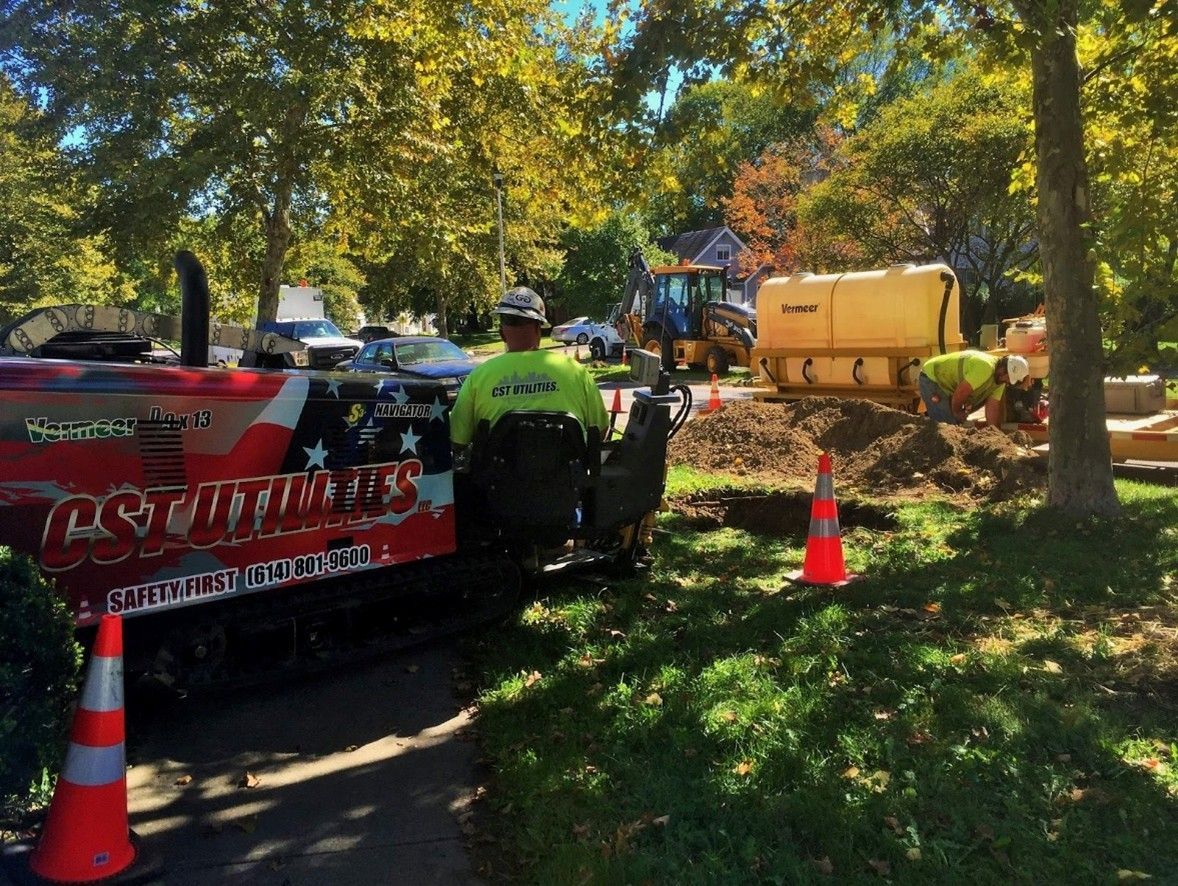
CST Utilities provided certified locating services while coordinating closely with the cooperative’s internal teams. The partnership helped Consolidated Cooperative reduce delays, prevent utility damage and free internal resources to concentrate on special projects.
The difference was not simply additional manpower. It was having a responsive partner that could adjust to the cooperative’s workflow and remain accountable as demand changed.
That is what is needed during periods of growth.
The Work Underground Supports the Grid Above It
Grid modernization is a large, long-term undertaking. Its success depends on hundreds of smaller activities being completed safely, accurately and on schedule.
Utility locating is one of them.
When locating is treated as a strategic part of project planning and not merely a box to check before excavation, project leaders can reduce risk, protect existing infrastructure and keep modernization work moving.
The grid may be changing quickly. The need for dependable people, clear communication and safe execution has not.
CST Utilities provides certified utility locating and underground construction support for electric utilities, cooperatives, municipalities and commercial project teams.
Contact CST to discuss upcoming projects or additional locating capacity.