When Is Directional Boring the Right Choice? | A Strategic Guide for Utility Projects
When discussions about underground utility construction begin, one question often comes up almost immediately:
“Should we directionally bore this?"
It's a reasonable question. But it's not the first one that should be asked.
The better question is:
"What are we trying to accomplish?"
Are you trying to minimize traffic disruptions? Or protect newly paved roads? Preserve mature landscaping? Avoid disrupting businesses? What about reducing restoration costs? Are you trying to maintain access for emergency vehicles? Meet an aggressive construction schedule?
Directional boring may be the best solution -- or it may not.
The most experienced utility partners don't begin by recommending a construction method. They begin by understanding the project's priorities.
Because directional boring isn't simply a service. It's a project strategy.
Start With the Outcome -- Not the Equipment
One of the biggest misconceptions about directional boring is that it's automatically the "better" option because it's trenchless.
In reality, every construction method involves tradeoffs.
Directional boring offers significant advantages in the right conditions, but experienced project teams know that selecting a construction method should never start with the equipment available.
It should start with the outcome the owner is trying to achieve.
For example:
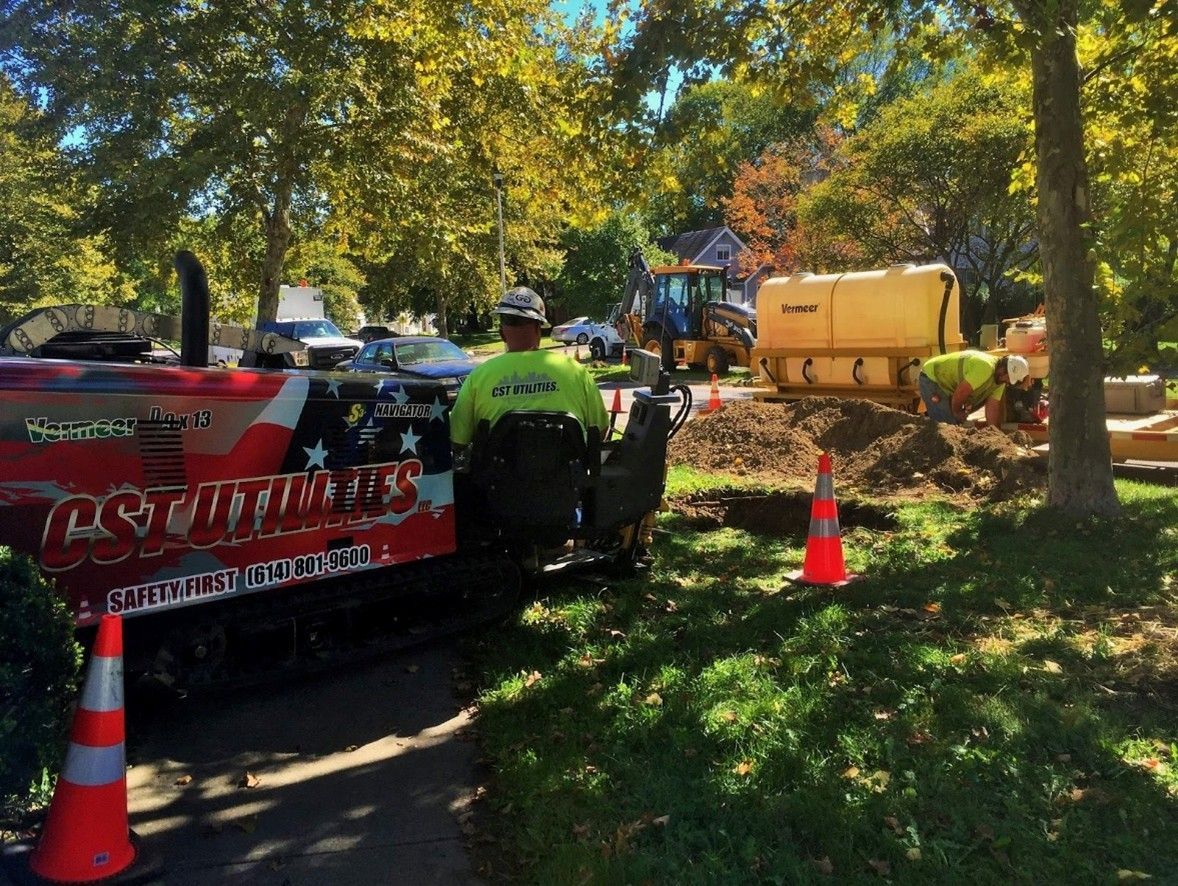
If minimizing traffic disruptions is the priority, directional boring may allow utilities to be installed without extended lane closures.
If preserving existing pavement is critical, trenchless installation may eliminate expensive restoration work.
If protecting environmentally sensitive areas or mature landscaping is important, boring can dramatically reduce surface disturbance.
But if the project has challenging soil conditions, limited staging areas, or underground congestion, another approach may provide a better overall outcome.
The goal isn't to prove one method is superior. The goal is to recommend the approach that creates the most successful project.
Directional Boring Is About Managing Risk
Many people think of directional boring as a way to avoid digging. Experienced project managers often think about it differently. They see it as a way to manage project risk.
The right boring strategy can help reduce:
- Surface restoration costs
- Traffic impacts
- Disruption to businesses and residents
- Utility service interruptions
- Damage to existing infrastructure
- Schedule impacts associated with open excavation
Notice what's missing from that list.
It's not just about drilling underground. It's about reducing the number of issues the owner has to manage throughout the life of the project.
That's a much bigger conversation than construction methods alone.
The Best Question Isn't "Can We Bore Here?"
It's "What Could Complicate This Project?"
Experienced utility partners spend as much time identifying constraints as they do planning the installation itself. Before recommending directional boring, they ask questions like:
- What utilities already occupy this project area?
- How accurate is the available utility information?
- What traffic restrictions exist?
- Are there environmental or permitting considerations?
- How will nearby businesses and residents be affected?
- What construction activities need to happen after this work is complete?
- If field conditions change, how much flexibility does the project have?
These questions influence more than installation. They influence project certainty. That's why planning often creates more value than production.
A Great Utility Partner Doesn't Sell Construction Methods
One of the easiest ways to identify an experienced underground utility partner is to pay attention to how they make recommendations.
Do they immediately recommend directional boring? Or do they ask questions first?
The strongest project partners understand that every project has different priorities. Sometimes the right answer is directional boring. Sometimes it's hydro excavation. Sometimes it's open trench construction. The recommendation should reflect what's best for the project, not what's most convenient for the contractor.
That level of objectivity builds trust.
It also helps owners make better long-term decisions.
Great Projects Are Built on Better Decisions
Construction success isn't determined by a single piece of equipment. It's determined by hundreds of decisions made before crews ever mobilize. Choosing the right installation method is one of the most important.
When that decision is based on project goals instead of assumptions, owners reduce risk, protect budgets, minimize disruption, and improve the likelihood of delivering the project on schedule.
That's why directional boring should never be viewed as a product to purchase. It should be viewed as one strategic tool within a much larger project delivery plan.
Why CST Starts With Questions
At CST Utilities, we don't believe every project needs the same solution.
Our role is to understand your objectives, evaluate site conditions, identify potential risks, and recommend the construction approach that best supports your project -- not simply the one we can perform.
Whether that involves directional boring, hydro excavation, utility locating, or underground utility construction, our focus remains the same:
Helping owners, municipalities, utilities, and general contractors make informed decisions that lead to better project outcomes.
Because the best utility partners don't just install infrastructure. They help clients make smarter decisions before construction even begins.
Planning an underground utility project? Let's start with the outcome you're trying to achieve and build the right strategy together!