Directional Drilling for Fiber: What Contractors Need to Know
Directional Drilling for Fiber: What Contractors Need to Know
Read Time: 2 minutes
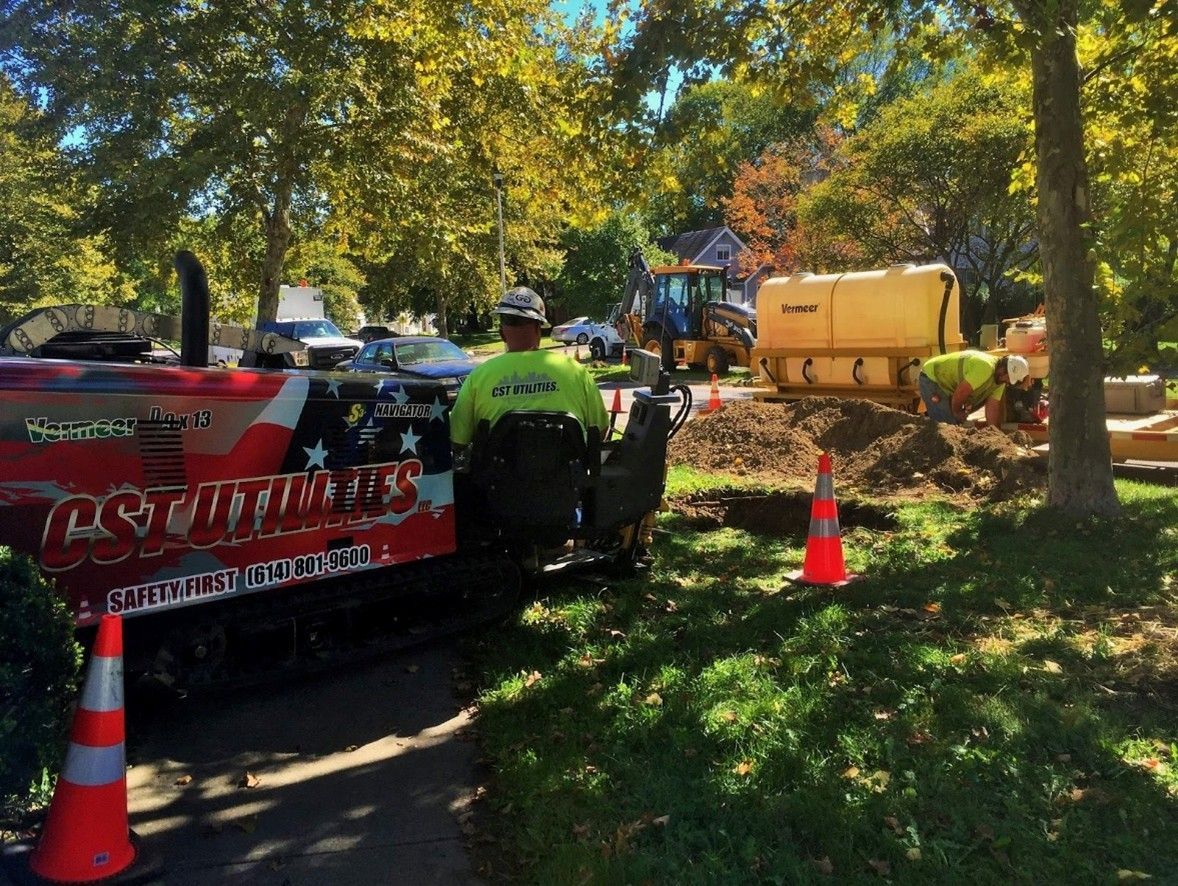
Across the country, fiber networks are expanding at a rapid pace. Municipalities, utilities, and private providers are racing to bring high-speed connectivity to new communities. For contractors tasked with installing that infrastructure, directional drilling for fiber installation has become one of the most efficient and least disruptive ways to deploy underground lines.
Most contractors are already familiar with horizontal directional drilling (HDD), but fiber projects introduce a unique set of challenges. Tight utility corridors, unknown underground conditions, and compressed timelines mean success often depends on planning and coordination before drilling ever begins.
Here’s what contractors should keep in mind when approaching a
directional drilling for fiber installation project
Key Takeaways for Contractors
Successful directional drilling for fiber installation projects depend on three critical factors:
- Accurate utility locating before drilling begins
- Planning for soil conditions and crowded underground corridors
- Strong coordination between contractors, engineers, and locating teams
When these elements are handled properly, contractors can avoid costly delays, reduce risk, and keep fiber installation projects moving forward on schedule.
Why Directional Drilling Is the Preferred Method for Fiber Installation
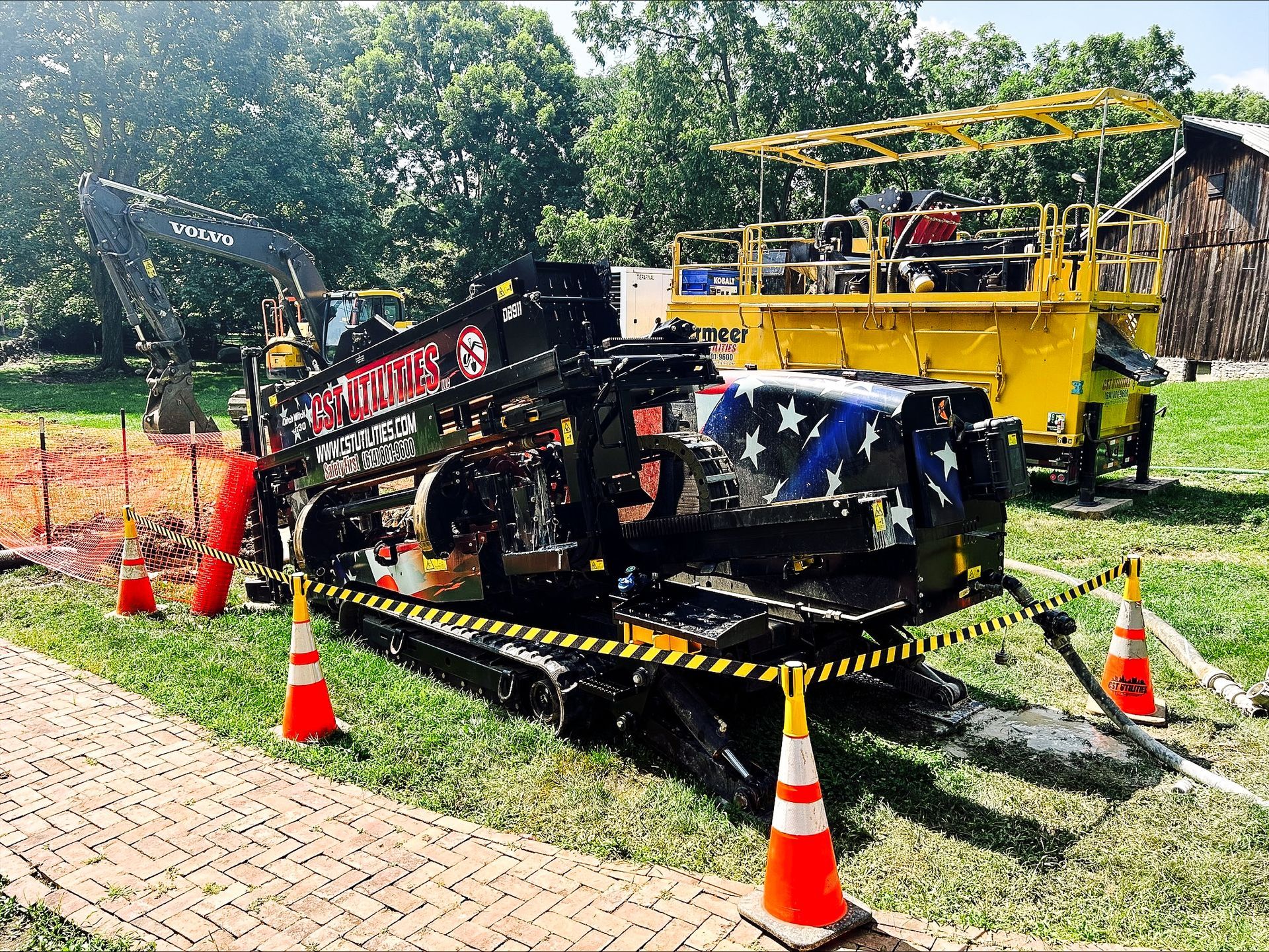
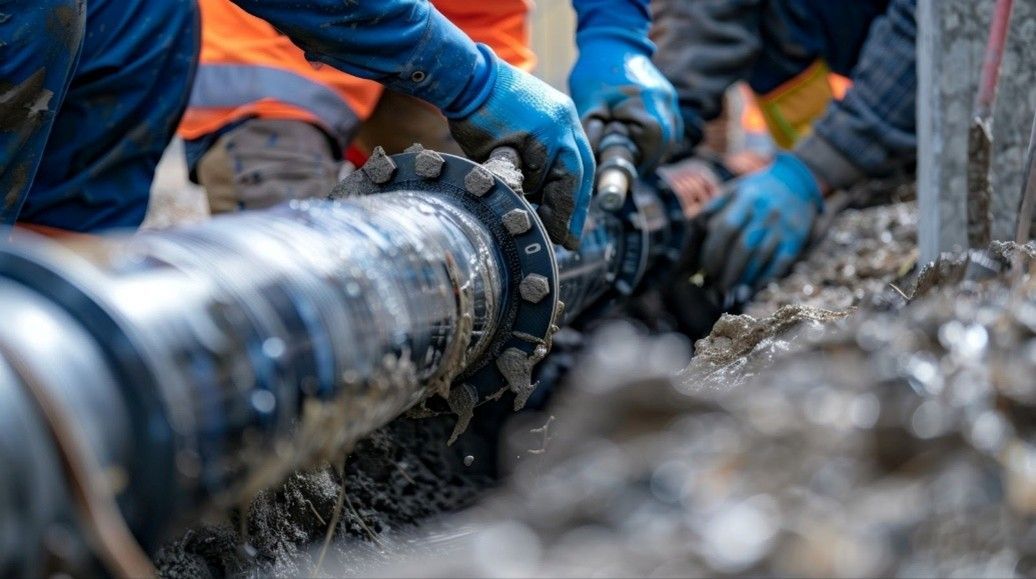
Directional drilling has become the go-to approach for fiber infrastructure because it allows contractors to install lines underground while minimizing surface disruption.
For fiber providers expanding into new areas, directional drilling for fiber installation offers several advantages:
- Minimal impact on roads, sidewalks, and landscaping
- Ability to cross under obstacles like waterways or highways
- Faster installation compared to open trenching
- Reduced restoration costs
Because fiber routes often run through developed neighborhoods, roadways, and existing utility corridors, HDD allows crews to install new infrastructure without major excavation or disruption.
However, these same environments introduce complex underground conditions that require careful preparation.
Utility Locating: The Step That Prevents Expensive Problems
Before any directional drilling for fiber installation begins, contractors must understand exactly what already exists underground.
Existing utilities such as gas lines, water mains, sewer infrastructure, electrical conduits, and telecom lines often occupy the same corridors where fiber is being installed. Without accurate utility locating, drilling operations risk:
- Utility strikes
- Service outages
- Safety hazards
- Expensive repairs
- Project delays
Working with certified locating professionals ensures crews have accurate, up-to-date information before drilling begins. Reliable locating helps contractors maintain safe clearance distances and adjust bore paths when necessary.
When underground conditions are clearly mapped, directional drilling for fiber installation becomes significantly safer and more efficient.
Soil Conditions Matter More Than Many Projects Expect
Every experienced directional drilling contractor knows that ground conditions can make or break a project.
Different soil types directly affect drilling performance, bore stability, and fluid management. Some common conditions contractors encounter during fiber installations include:
Clay soils
Typically stable but may require careful drilling fluid management.
Rock or mixed ground
Often requires specialized tooling and slower drilling speeds.
Loose or sandy soils
Increase the risk of bore collapse if not properly stabilized.
Understanding soil conditions early allows contractors to select the proper equipment, tooling, and drilling strategy before beginning directional drilling for fiber installation.
Planning Bore Paths in Crowded Utility Corridors
One of the biggest challenges contractors face during fiber deployment is working within existing utility corridors that are already heavily populated.
Fiber lines often run alongside or beneath:
- Gas infrastructure
- Water and sewer lines
- Electrical conduits
- Existing telecom infrastructure
In these environments, careful bore path planning is critical.
Contractors must consider:
- Existing utility depth and location
- Required clearance distances
- Entry and exit points
- Surface structures and obstacles
- Future maintenance access
Well-planned bore paths reduce conflicts with existing infrastructure and help ensure directional drilling for fiber installation projects stay on schedule without costly rework.
Coordination Keeps Fiber Projects Moving
Fiber infrastructure projects rarely involve just one contractor. They typically require coordination between multiple stakeholders, including:
- Utility providers
- Municipal agencies
- Engineering teams
- Directional drilling crews
- Utility locating professionals
When communication breaks down between these groups, projects can quickly fall behind schedule.
Experienced contractors understand that successful directional drilling for fiber installation requires clear coordination throughout the entire project lifecycle. Ensuring locate data, bore plans, and field operations stay aligned helps prevent delays and unexpected complications.
Why Preparation Is the Difference Between a Smooth Project and a Costly Delay
Directional drilling has become the backbone of modern fiber deployment. When properly planned and executed, it allows contractors to install critical infrastructure quickly and with minimal disruption.
But successful directional drilling for fiber installation depends on more than drilling equipment alone.
Accurate utility locating, proper bore planning, and strong coordination across teams are what ultimately keep projects safe, efficient, and on schedule.
As fiber networks continue expanding across the country, contractors who take a proactive approach to underground awareness and planning will be best positioned to deliver reliable results.
Partner With a Team That Understands Underground Infrastructure
Fiber expansion requires experienced partners who understand the complexity of underground utilities.
CST Utilities supports contractors with reliable utility locating, directional drilling, and underground infrastructure services that help keep projects moving safely and efficiently.
Ready to get started on your project? Contact CST Utilities today to learn how we support contractors working on directional drilling for fiber installation and other underground utility projects.
Image: ***Provide credit to Tasha Braniff Photography ***